Dell Technologies
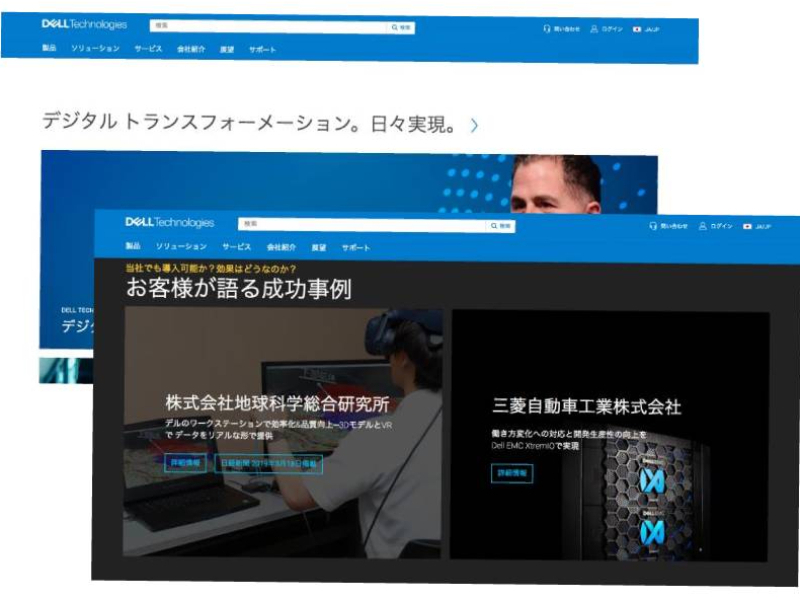
Dell Technologies
Since 2017, we (Xor Geek) have been providing continuous website maintenance and Quality Assurance (QA) services for Dell Technologies Japan. As a trusted partner, our team has played a key role in ensuring that Dell’s online presence in Japan remains secure, functional, and optimized for user experience.
App Features
1. Comprehensive Application Testing:
- Functional Testing: Ensures that all website functionalities operate as intended, identifying and resolving defects to enhance user satisfaction.
- Non-Functional Testing: Evaluates aspects like performance, security, and usability to guarantee a seamless user experience.
- Risk-Based Approach: Prioritizes testing efforts based on potential business impacts, optimizing resource allocation. citeturn0search1
2. Preventive Maintenance:
- Proactive Monitoring: Continuously observes website performance to detect and address potential issues before they affect users.
- Predictive Analytics: Utilizes data analysis to forecast maintenance needs, facilitating timely interventions and reducing downtime. citeturn0search8
3. Independent Quality Assurance (iQA):
- Dedicated QA Teams: Employs specialized teams to conduct thorough testing, ensuring applications meet industry standards and regulatory requirements. citeturn0search3
Development Process
1. Requirement Analysis:
- Collaborates with clients to understand specific needs, objectives, and challenges, tailoring maintenance and QA strategies accordingly.
2. Test Planning and Strategy:
- Develops detailed test plans outlining scope, objectives, resources, and schedules, ensuring alignment with business goals.
3. Test Execution:
- Implements both manual and automated tests to evaluate functionality, performance, and security, documenting results for transparency.
4. Defect Management:
- Identifies, tracks, and prioritizes defects, working closely with development teams to facilitate timely resolutions.
5. Reporting and Optimization:
- Provides comprehensive reports with actionable insights, recommending improvements to enhance website performance and user experience.
Challenges
1. Complex Application Environments:
- Managing diverse technologies and platforms requires specialized expertise to ensure consistent quality across all components.
2. Evolving User Expectations:
- Keeping up with changing user demands necessitates continuous updates and optimizations to maintain engagement and satisfaction.
3. Regulatory Compliance:
- Adhering to industry-specific regulations demands meticulous testing and documentation to avoid legal and financial repercussions.
4. Resource Constraints:
- Balancing comprehensive testing with limited resources requires efficient planning and execution to maximize effectiveness.
Technology Stack
1. Automated Testing Tools:
- Employs tools like Selenium and QTP to automate repetitive test cases, increasing efficiency and coverage.
2. Performance Testing Suites:
- Utilizes tools such as LoadRunner and JMeter to simulate user loads, assessing website scalability and responsiveness.
3. Security Testing Frameworks:
- Integrates platforms like OWASP ZAP and Burp Suite to identify vulnerabilities and ensure robust security measures.
4. Continuous Integration/Continuous Deployment (CI/CD) Pipelines:
- Incorporates CI/CD tools like Jenkins and Bamboo to streamline code integration and deployment, facilitating rapid and reliable releases.
5. Analytics and Monitoring Solutions:
- Leverages platforms like Google Analytics and New Relic to monitor user behavior and site performance, informing maintenance and optimization efforts.