

How Modern Web Guidance Improves AI Coding Agents
Google released Modern Web Guidance 1.0 to help AI coding agents eliminate technical gaps, audit legacy code, and follow modern browser standards.

Full-Stack Rust Web Apps with Tokio Topcoat
Tokio Topcoat brings full-stack Rust development with server rendering, cross-compiled reactivity, and a zero-Node Tailwind pipeline.
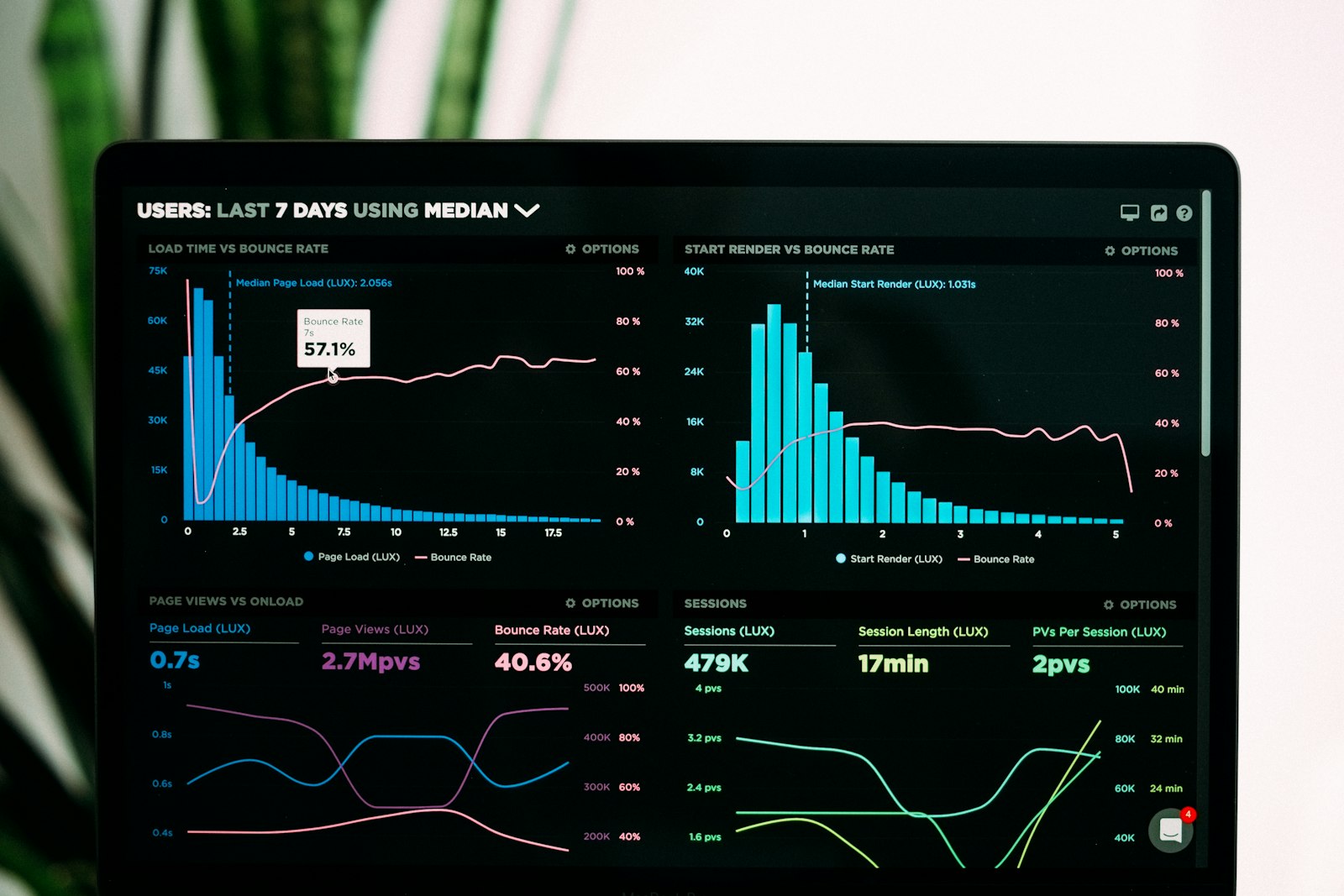
How Risk-Aware Code Review Speeds Up Pull Requests
LiveReview introduces risk-aware code review to automatically approve safe pull requests and focus senior developers on high-impact code changes.

Managing Parallel AI Workflows with AWS Kiro Bots
AWS Kiro bots introduce persistent memory and worker orchestration, helping developers manage parallel AI sessions without context pollution.

Governing AI Agents Under Developer Identities
When AI agents inherit engineer credentials, security blind spots emerge. Here is how teams can govern autonomous agents and automate risk remediation.

Why Vague AI Prompt Context Breaks Production
Vague AI prompts create subtle bugs in production code. Learn how missing context causes security leaks, crashes, and CSV injections.

Using TLS 1.3 on Amazon MSK for Secure Streaming
Amazon MSK Provisioned clusters now support TLS 1.3 encryption policies to strengthen data-in-transit security, improve latency, and aid compliance.
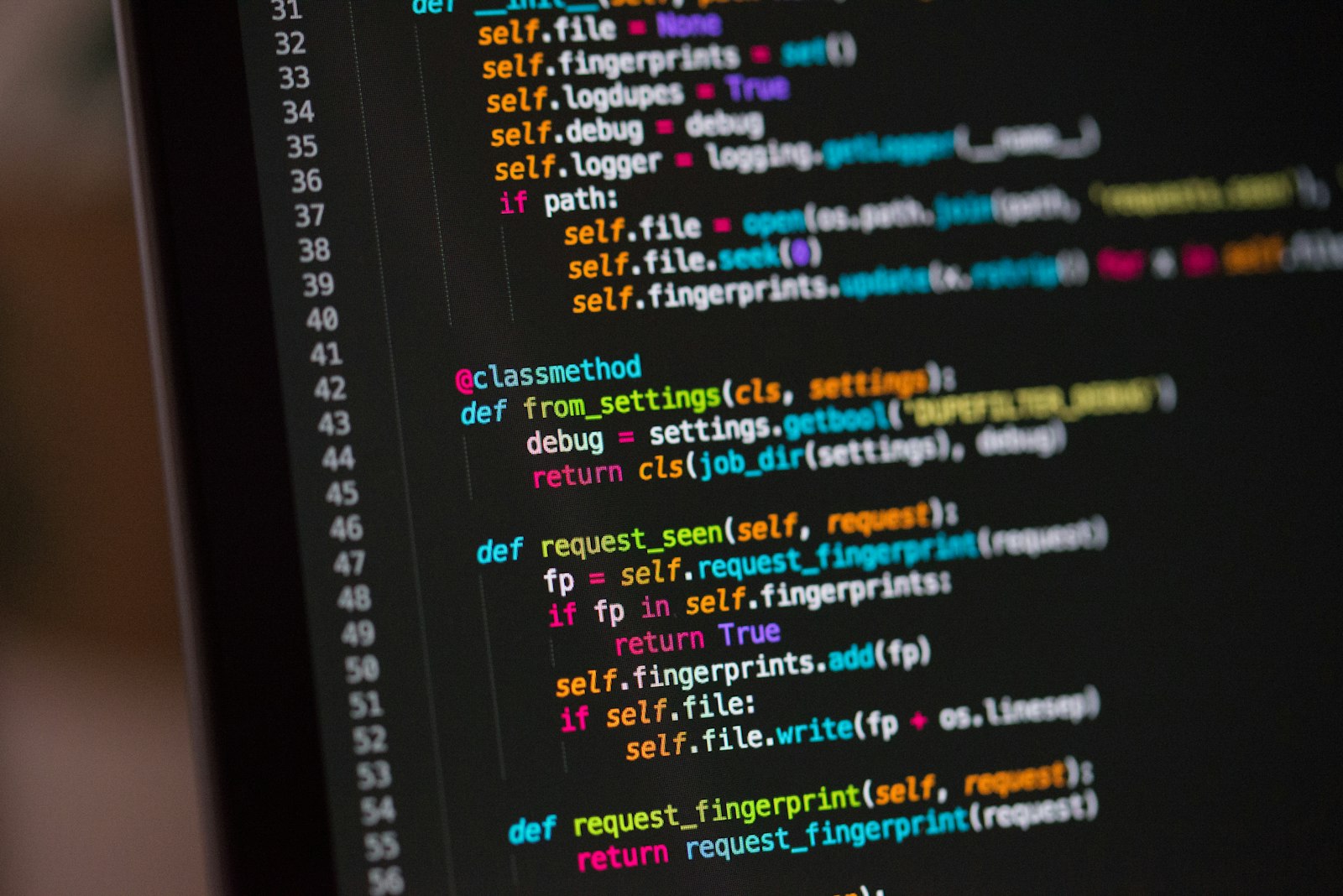
How TokenEconomizer Cuts AI Coding Costs by Up to 31 Percent
Researchers from Microsoft and UC Berkeley built TokenEconomizer, an open-source tool cutting AI coding assistant token costs by up to 31 percent.